
Nutri-Win Foods is committed to advancing sustainable malnutrition prevention through affordable, science-based, plant-powered nutrition solutions designed for African families and vulnerable communities. Across many low-resource settings, millions of children and adults continue to face protein-energy malnutrition, poor dietary diversity, and widespread micronutrient deficiency, leading to impaired growth, weak immunity, poor learning outcomes, and preventable illness. Nutri-Win addresses these challenges through nutrient-dense cereals formulated from locally sourced grains and legumes that support healthy development across every stage of life.
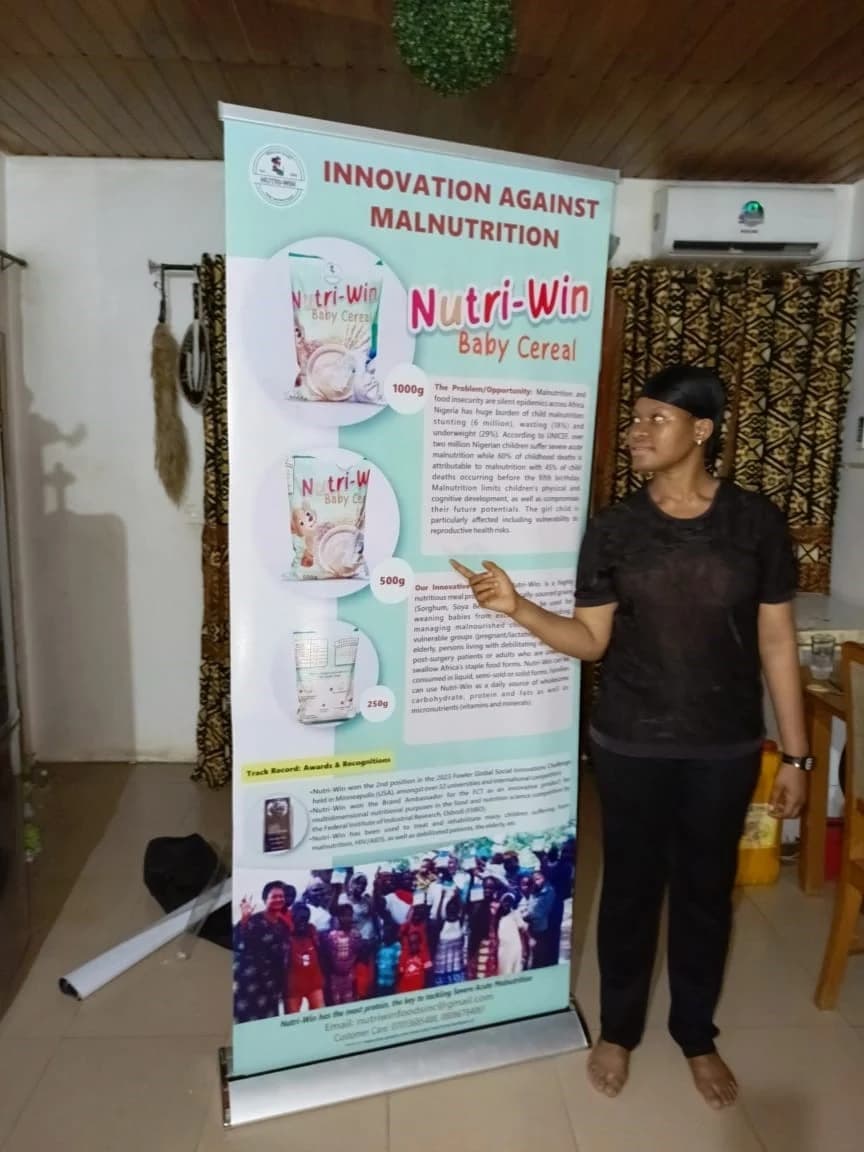
Our evidence-informed approach combines practical child malnutrition solutions with nutrition education, caregiver empowerment, and community engagement. Nutri-Win supports healthy child growth nutrition by providing accessible foods rich in protein, iron, calcium, energy, and essential micronutrients needed for cognitive and physical development. We also promote inclusive nutrition for vulnerable populations, including infants, pregnant women, school children, adolescents, and older adults. Through partnerships with clinics, schools, researchers, farmers, and community nutrition programs, Nutri-Win is building healthier families, stronger communities, and more resilient food systems across Africa and beyond.
"Nutri-Win's Public Health nutrition education and community outreach has reached and impacted thousands of Nigerian and ..."